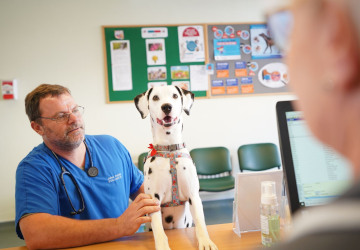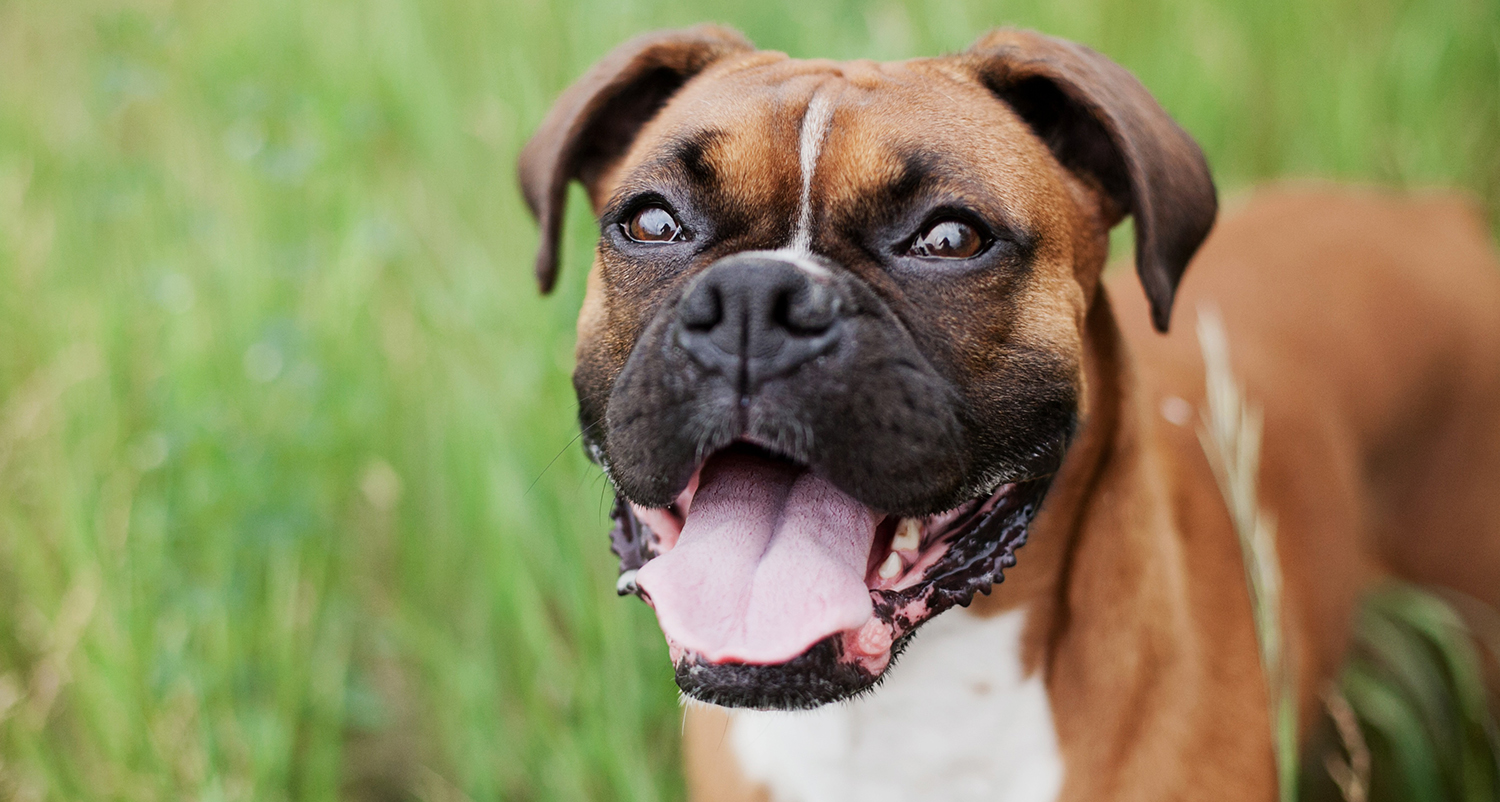

Winter can be tough on pets, especially as temperatures in Essex can get pretty gnarly from November to March. Cold weather can bring about a range of health challenges for your furry friends. Here are some common winter ailments that can affect dogs, cats, rabbits, guinea pigs, hamsters and other small furry pets to be aware of, and steps you can take to prevent them, from our team at Edgewood Vets.
Get ahead of troubling winter ailments and book a pre-winter health check with our vets in Purleigh for personalised advice.
Book a pre-winter health check
By understanding the potential health risks associated with winter weather and taking proactive measures, our vets in Purleigh advise that you can help your pet stay healthy and comfortable throughout the colder months.
How cold is too cold for pets to be outdoors? Download our handy infographic now.
Here are some common pet health conditions that can affect dogs, cats, rabbits, guinea pigs, hamsters and other small furry pets, and are more prevalent during the cold winter months:
- Respiratory Infections: Cold, damp weather in Essex can create ideal conditions for the spread of respiratory infections like kennel cough in dogs, upper respiratory infections in cats, and respiratory issues in smaller pets.
- Hypothermia: Pets exposed to extreme cold can develop hypothermia. This is particularly a risk for rabbits, guinea pigs, small furries, short-haired cat and dog breeds, very young or elderly pets, or those with underlying health conditions.
- Frostbite: Frostbite can occur in pets exposed to freezing temperatures, especially in areas like ears, paws, and the tail.
- Arthritis: Cold weather can exacerbate joint pain and stiffness in pets with arthritis.
- Obesity: Reduced physical activity during the winter months can contribute to weight gain and obesity.
A pre-winter health check with our experienced team at Edgewood Vets can help to spot any issues early, and ensure your pet is in good health for the upcoming cold season.
Get a head start and book your pet’s health check today.
9 Preventative Winter Pet Health Tips
To help prevent or reduce the effects of the above pet health conditions, it’s important to:
- Keep your pet indoors during extreme cold weather.
- Provide a warm, comfortable, draft-free shelter.
- Avoid leaving pets in rooms with space heaters with open flames, including log burners, and kerosene and gas heaters.
- Ensure your pet has access to plenty of fresh water.
- Regularly check your pet for signs of illness or discomfort.
- Maintain a healthy diet and exercise routine – try indoor exercise if it’s way too cold outside.
- Provide warm blankets or bedding for your pet if they need to travel in the car.
- If your dog shivers in the cold, or they are very young, old, unwell or have short hair, use a dog coat for winter walks.
- Book a pre-winter health check to help ensure your pet’s healthy and winter-ready.
If you’re wondering how cold is too cold for your pet to be outside, take a look at our handy cold weather infographic – download it here.
By taking these precautions, you can help your pet stay healthy and comfortable during the winter months and remember, our vets in Purleigh are here to help.
Book a pre-winter health check
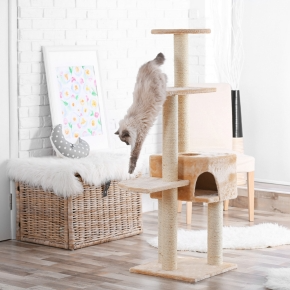
Despite their reputation for napping, cats are intelligent and curious creatures that require plenty of mental and physical stimulation. Whether your cat spends much of their time indoors due to preference or necessity, and especially if you’re often away from home, there are plenty of ways to keep them entertained. Here are Edgewood Vets’ top tips for a happy and enriched cat at home.
Cat behaving strangely? Book a consultation with our vets in Purleigh to check for any underlying health issues.
Signs of cat boredom
According to the team at Edgewood Vets, your cat may be bored if they are showing these signs:
- Excessive grooming
- Destructive behaviour
- Lethargy
- Weight gain
- Aggression
- Loss of interest in play
If you notice any of these signs of boredom in your cat, try providing them with more mental and physical stimulation. Some of these symptoms can also be linked to certain cat health problems so it’s wise to get them checked over with our vets in Purleigh.
How to keep your cat entertained
Our veterinary nurses at Edgewood Vets have listed below some of the best recreational activities for your cat:
DIY delights
- Toilet Rolls: These simple items can provide hours of fun for your cat.
- Rotating Toys: Keep your cat guessing with a variety of toys that you can rotate regularly.
- Cardboard Boxes: Cats love to explore new spaces, and cardboard boxes can be a great way to provide a cosy hideaway.
Furniture fun
- Cat Trees: Encourage your cat’s natural instincts with a cat tree that offers opportunities to climb, jump, and perch.
- Scratching Posts: Provide scratching posts to satisfy your cat’s natural urge to scratch and prevent them from damaging your furniture.
- Window Perches: Give your cat a safe window perch so they can watch the world go by.
Training and socialisation
- Clicker Training: Edgewood Vets’ nurses share that it is possible to teach some cats simple tricks using a clicker. This can help to keep their mind sharp and strengthen your bond.
- Outdoor Adventures: If your cat is comfortable going outside, supervised walks or playtime in a secure outdoor space such as a ‘catio’ (short for cat patio) can provide valuable enrichment.
- Feline Companionship: Consider getting a second cat to provide companionship and social stimulation. Talk to our veterinary nurses about how best to facilitate a harmonious introduction of new cat BFFs.
Remember, every cat is different, so experiment with different activities to find what your cat enjoys most. If you are concerned about your cat’s behaviour, book a health check with our vets in Purleigh soon.

This time of year in Essex, you’re probably thinking about carving Halloween pumpkins, eating pumpkin pie, drinking pumpkin lattes… But did you know that pumpkin can also be a fantastic addition to your dog’s diet?
Before you grab the carving knife, it’s always wise to check with our vets before giving your dog pumpkin – keep reading to discover why.
Ask Us About Pumpkins For Your Pet
Nutritional benefits of pumpkin for dogs
Pumpkins are a great seasonal buy in autumn and, according to our team at Edgewood Vets, nutritional powerhouses for dogs. Pumpkins are:
- Excellent sources of dietary fibre, which promotes healthy bowel movements, eases constipation or diarrhoea, and supports anal gland health.
- Packed with essential vitamins such as Vitamin A, Vitamin C, and Vitamin E, which support overall health, including vision, immune function, and skin health.
- Rich in important minerals like potassium and iron, which are vital for maintaining a healthy heart, muscles, and overall cellular function.
- A low-calorie food, making them a great option for pets needing to maintain or lose weight without sacrificing flavour or satisfaction.
How to add pumpkin to your dog’s diet
You can actually buy pumpkin powder for pets, and commercial dog food that contains pumpkin. But if you’re feeling adventurous this autumn, as well as frugal and waste-conscious, our team at Edgewood Vets suggest saving the innards from your Halloween pumpkin carvings and attempting our pumpkin recipes for dogs below. If you’re opting for canned, avoid ‘pumpkin pie filling’ and anything with spice, salt, sweetener, and other additives.
Top Tip: Freeze pumpkin puree (freshly cooked or canned) in ice-cube trays for easy portion control!
Four tasty pumpkin recipes for dogs
1. Cooked Pumpkin Cubes: Cut your pumpkin into cubes to boil, steam, bake, or roast. Try roasting with carrots; toss in a teaspoon of olive oil (no salt or flavourings), spread on a baking sheet and cook in a pre-heated oven at 180°C (350°F) for 20 minutes. Cool before serving and mix a small amount into your dog’s food.
2. Pumpkin and Peanut Butter Treats for Dogs: Mix pumpkin puree with a bit of peanut butter (choose pet safe brands with no palm oil or xylitol) and oat flour to create homemade treats. Bake them in small, pet-friendly shapes for a tasty snack. These are a firm favourite of Edgewood Vets’ vet nurses!
3. Pumpkin and Yogurt Mix: Blend pumpkin puree with plain, unsweetened yogurt for a creamy, nutritious treat. Serve as a topper for meals or a frozen treat in hot weather.
4. Pumpkin Dog Biscuits: Mix 1 cup of pumpkin puree and 2 eggs in a bowl. Stir in 1/2 a cup of oats and 3 cups of wholewheat flour gradually to form a dough. Roll out and cut into fun shapes. Bake in a preheated oven at 180°C (350°F) for 30-35 minutes until firm. Cool before serving.
What about the seeds? These are too sharp for dogs, but you can toss them in olive oil or melted butter and salt & pepper, and roast until crisp for a tasty human snack!
Let us know if your dog loves Edgewood Vets’ recipes above and share your own on our Facebook page.
Can all dogs eat pumpkins?
It’s rare, but some dogs can have allergic reactions to pumpkins and develop symptoms like rashes or diarrhoea. Plus, too much fibre can cause digestive problems and affect nutrient absorption. This is why it’s wise to speak to your vet first and if they are happy for your dog to try pumpkin, introduce it gradually and in small doses.
Whether you choose pumpkin powder for pets, dog food containing pumpkin, or try our pumpkin recipes for dogs above, adding pumpkin to your dog’s diet can be a delicious and nutritious way to support their health.

Animal Pain Awareness Month (September) is a great time to focus on the wellbeing of our beloved dogs and cats, especially those grappling with arthritis. The team at Edgewood Vets have put together a guide to help you better support your arthritic dog or cat at home.
Not sure if your pet has arthritis? The main signs in dogs and cats include limping, stiffness, difficulty jumping or climbing, reduced activity, noticeable pain during movement, and a change in demeanour.
How to help your arthritic dog or cat at home
Arthritis can make everyday activities uncomfortable for our furry friends. Getting your pet diagnosed promptly by one of our vets means they can receive the multi-modal treatment they need – this might include medication and various types of physical therapy. But Edgewood Vets’ support doesn’t end there. Vet Jürgen Theinert is here to tell you that with some thoughtful adjustments at home, you can significantly improve your arthritic pet’s quality of life.
1. Create comfortable resting areas
Jürgen recommends providing your pet with a comfortable, quiet resting place. Choose a soft, supportive bed and position it in a calm, draft-free area. Consider an orthopaedic bed for extra comfort and ensure the bed is easily accessible (avoiding high platforms, high sides, and steps) to prevent further discomfort.
2. Modify your home environment
Avoiding stairs whenever possible is important for dogs with arthritis. If you live in a multi-storey home, consider installing ramps or pet-friendly stair aids to make it easier for your dog to navigate. You can also help them by preventing slips on floors by using non-slip rugs or rug tape, and ensuring food and water bowls are at a comfortable height to avoid bending and stretching. Cats will benefit from low-sided litter boxes in multiple locations to reduce travel as well as ramps by furniture to help them reach their favourite spots.
3. Encourage gentle exercise
For dogs, regular, gentle exercise is crucial for maintaining joint flexibility. Choose short, slow walks over high-impact activities or long walks that could strain their joints. Engage in low-impact play with soft toys and incorporate flexibility exercises such as gentle paw lifts (supported at the elbow) and sit to stands – ask our vets for more advice on this. For cats, Jürgen recommends encouraging light exercise and play with mentally stimulating, interactive toys that don’t require excessive jumping or running.
4. Maintain a healthy weight
Excess weight can exacerbate feline and canine arthritis symptoms. Ensure your pet is on a balanced diet that supports their overall health and helps maintain an ideal weight. Book an appointment with our vet nurses, who can help you choose the best diet and portion sizes for your arthritic pet’s needs.
5. Consider therapeutic aids
Jürgen recommends using items like heated pet mats or blankets, which can provide soothing warmth for sore joints. Joint supplements specifically designed for dogs or cats and as recommended by one of our vets, may also help support joint health and reduce inflammation. Always consult with a vet before giving your pet supplements for arthritis or anything else.
6. Provide extra support
Dog harnesses or support slings can help when your dog is walking or climbing stairs. For cats, a soft, supportive carrier or sling is ideal for vet visits or moving them around. These aids can provide additional support and reduce the strain on their joints. Ensuring your pet has easy access to all their favourite spots can also help them feel more comfortable and secure.
Managing arthritis in dogs and cats requires a combination of thoughtful adjustments and compassionate care. Animal Pain Awareness Month is a reminder of how important it is to be attentive to our pets’ needs so they can have a more comfortable and enjoyable life despite the challenges of arthritis. Get your pet checked for arthritis by one of our vets in Purleigh now.

Fireworks season can be a stressful time for cats and dogs. The loud noises and bright lights can cause significant anxiety. Creating a quiet, comfortable space with familiar items can provide much-needed relief from the sensory overload. Here’s Edgewood Vets’ guide on how to create a safe haven for your pets, to help them feel secure and relaxed throughout Autumn’s noisy events.
Talk to our vets about the best calming products for dogs or cats and order them in time for firework season.
Create a safety den for dogs
- Quiet Location: Select a quiet area in your home away from windows and doors. A room or corner that’s less exposed to noise and light is ideal.
- Comfortable Bedding: Provide a soft, cosy bed to snuggle in and add extra comfort with their favourite blanket.
- Toys and Distractions: Place your dog’s favourite toys or chew items in the safe space. Interactive toys or puzzle feeders can also help distract them from the noise.
- Comfort Items: Include items that carry your scent, such as worn clothing, and your familiar smell can be reassuring for your dog.
To order calming products for your dog in time for firework season, call 01621 828381.
Create a cosy hideaway for cats
- Quiet Hideaway: Cats often prefer enclosed spaces so a covered bed or a box where your cat can feel secure is ideal. Ensure the hideaway is in a quiet part of the house.
- Soft Bedding: Line the hideaway with soft, comfortable bedding or a blanket. Ensure your cat is familiar with and likes their new space.
- Toys and Treats: Provide your cat with their favourite toys or treats to keep them occupied. Catnip toys or treat-dispensing toys can be particularly effective.
To order calming products for your cat in time for fireworks season, call 01621 828381.
General tips for both cats and dogs
- Introduce the Space Early: Allow your pet to explore and get comfortable with the safe space well before fireworks season begins. This will help them feel more at ease when the fireworks start.
- Stay Calm: Your pet can sense your emotions, so remaining calm and reassuring can help them feel more secure. Don’t fuss too much though as this can make them associate extra fuss with a ‘fear response’.
- Introduce Calming Products: Our vets often advise owners to use calming products such as diffusers, sprays, collars, chews, or anxiety wraps that can have a soothing effect and reduce anxiety. Call us on 01621 828381 for advice and to order them in time for firework season.
- Avoid the Outdoors: Keep your pets indoors during firework displays. Make sure all escape routes are secured to prevent them from running away in fear.
- Reduce Outdoor Sounds: Close windows and doors, and draw curtains to reduce the impact of external sounds.
- Use Background Noise: Use white noise machines, calming music, or a TV to help mask the sounds of fireworks. Choose soothing sounds that your pet may be used to.
By preparing in advance and creating a cosy safe haven for your pets during fireworks season, you can help ease their anxiety and ensure a more peaceful experience.
If you have any concerns or need additional advice, don’t hesitate to contact our team at Edgewood Vets. We’re here to support you and your pets through every season.

There’s no better summer snack than a burst of flavour straight from the freezer, especially when temperatures are uncomfortably high in Essex. In a mission to help your dog stay cool and hydrated, take a look at Edgewood Vets’ affordable freezer delights that you can easily whip up at home below.
Share your recipes and photos on our Facebook page to inspire other dog owners in Essex!
Inspire Frozen Fun on Facebook
Here at Edgewood Vets, we believe happy pets are healthy pets. So, let’s explore some delicious and healthy summer treat options to keep your tail-wagging friend cool and satisfied, and your shopping bill on ice!
1. Furry Frosites: Puree some watermelon or cantaloupe (minus the rind and seeds) and freeze it in ice cube trays or on a lick mat for a refreshing and hydrating snack.
2. Fruity Pupsicles: Blend some dog-friendly fruits like blueberries or strawberries with plain yogurt (avoid artificial sweeteners) and freeze in popsicle moulds (without the sticks). This is a great boredom buster and a delicious way to keep your pup cool.
3. Soupy Slushies: For something savoury, try freezing some bone broth in ice cube trays. This is a tasty and hydrating option, especially for older dogs who might not be as mobile in the summer heat. Bash the frozen broth cubes into a slushy for your dog to enjoy!
4. Frozen Fruit & Veggies: Frozen banana, kiwi, carrot sticks or chopped cucumber slices are crunchy, mouth-watering refreshing treats for dogs – keep portions small though.
Here are Edgewood Vets’ top tips to remember:
- Always supervise your pet when they enjoy a treat.
- If you are concerned about choking hazards, drop the ice treat into their water bowl where it will start to melt and shrink.
- Introduce new foods gradually to avoid any tummy troubles.
- Always check new foods are non-toxic for dogs.
- Be mindful of portion sizes, especially for smaller pets.
We’d love to see your creative summer treats! Share photos and recipes of your pup’s favourite cool-down concoctions on our Facebook page!
By providing healthy and refreshing treats, you can help your pet enjoy the summer months safely and happily. Don’t forget, routine check-ups are vital for year-round wellbeing. Schedule an appointment with us at Edgewood Vets to ensure your furry friend is happy and healthy all summer long! Call 01621 828381 to book now.

We all know the importance of daily walks for our canine companions. It keeps them physically fit, mentally stimulated, and provides a chance to explore the great outdoors. But let’s be honest, sometimes those Essex walks can fall into a bit of a rut – the same route, the same sniffs…
Here at Edgewood Vets, we believe walks should be a time of joy and bonding for both you and your furry friend. So, let’s inject some fun and keep those tail wags going strong with these ideas below.
If you’re passing on your walkies, pop into our vet practice in Purleigh so we can give your dog some extra cuddles and treats, which is extra mental stimulation for them too!
Embrace the Unexpected:
- Ditch the Usual Route: Explore a new park, neighbourhood, or even a hiking trail (suitable for your dog’s fitness level, of course). New sights and smells will keep your dog engaged and excited. If you can recommend any good dog walking routes in Essex or beyond, share them on our Facebook page to help other dog owners.
- Scent-sational Adventures: When your dog isn’t looking, hide some treats along your route for your dog to sniff out (pop them in a small foldaway dog bowl if you prefer). This adds a playful element of surprise and mental stimulation.
- The Great Fetch Up: Pack a ball, frisbee, or their favourite toy and find a safe, open space for a good game of fetch.
Bonding Through Training:
- Trick Time: While taking a break, practice some basic or fun tricks your dog has learned. Positive reinforcement with praise and treats makes training a joy for both of you.
Let us know what you think of these ideas on our Facebook page – we’d love your feedback!
Social Butterfly Walks:
- Dog-Friendly Outings: Plan your walk around a dog-friendly cafe or park. This allows your dog to socialise with other dogs while you relax with fellow pet owners. Just be sure to supervise interactions and ensure all dogs are comfortable.
- Buddy Up: See if a neighbour or friend with a dog wants to join your walks for a social outing. This provides extra playtime and interaction for both dogs, keeping them entertained.
Our dog-loving team in Purleigh say it’s wise to remember to:
- Adjust the activities based on your dog’s age, breed, and fitness level.
- Always be mindful of the weather and provide fresh water on walks, especially in hot weather.
- Most importantly, have fun and enjoy the quality time spent with your furry friend!
Want to reward your pup for all their walking efforts? Pop into our practice for some delicious dog treats! While you’re here, our friendly team are also happy to answer any questions you might have about your dog’s health and wellbeing.

Cats are known for their impeccable grooming habits. So, it can be quite a surprise and a concern if your usually clean cat starts eliminating outside their litter box. While the occasional accident might happen, persistent indoor toileting (also known as inappropriate elimination) shouldn’t be ignored.
Here at Edgewood Vets, we understand how frustrating and upsetting this behaviour can be for both you and your cat. Our Vet Jürgen Theinert has a wealth of experience in this area and is sharing some reasons why your cat might be using your home as their new toilet, and what you can do about it below.
Why your cat could be soiling indoors
Medical Mishaps:
1. Urinary Tract Issues: Urinary tract infections, bladder stones, or other urinary problems can cause discomfort and lead to inappropriate urination.
2. Diabetes or Kidney Disease: These conditions can increase thirst and urination, making it difficult for your cat to reach the litter box in time.
3. Painful Elimination: Arthritis and other painful conditions can make using the litter box uncomfortable, prompting your cat to find a softer spot. If your cat normally toilets outdoors, pain could be causing them to struggle with the cat flap.
Jürgen recommends booking a check-up for your cat at our vet practice in Purleigh, so we can rule out the above or get your cat the treatment they urgently need.
Litter Box Blues:
4. Location, Location, Location: Is the litter box in a quiet, easily accessible location? Loud noises or heavy foot traffic might deter your cat from using it.
5. Cleanliness Counts: Cats are very particular about hygiene. A dirty litter box is a major turn-off. Scoop waste daily and completely change the litter regularly.
6. Box Style Matters: Some cats prefer open litter boxes, while others prefer covered ones. Experiment to see what your cat finds most comfortable.
7. Not Enough Boxes: Jürgen advises that the general rule is one litter box per cat, plus an extra one. For a multi-cat household, consider having boxes on different floors or in separate areas.
Stressful Situations:
8. New Arrivals: A new pet, baby, or even changes in furniture placement can cause stress in your cat, leading to inappropriate elimination.
9. Feeling Unsafe: Does your cat feel threatened by other pets in the house or outside? Providing them with hiding spots and safe spaces can help them feel more secure.
What to do if your cat is soiling indoors
- Schedule a Check-up: Jürgen advises that the first step is to rule out any underlying medical conditions. Book a check-up with us at Edgewood Vets to discuss your cat’s elimination habits and overall health.
- Investigate the Environment: Consider the factors mentioned above and adjust the litter box setup, location, and overall household environment to see if things improve.
- Interim Solutions: If your cat is soiling in a particular spot (or two), scrub the area with pet-safe cleaning products to remove/mask their scent and avoid this becoming a long-term ‘toilet spot’. You could also try using cat training pads in the interim to keep your home clean whilst you investigate.
- Patience and Care: Addressing inappropriate elimination can take time and patience. Focus on creating a positive association with the litter box and avoid punishment, which can worsen the problem.
By understanding the reasons behind your cat’s indoor toileting and taking steps to address them, you can help your feline friend return to using their litter box and create a more harmonious household for everyone.
We’re here to help your cat stay healthy and happy so don’t hesitate to book a cat check-up with us via our website, or call us now on 01621 828381.

Who says pampering is just for humans? Treat your best friend to a day of relaxation and rejuvenation with a DIY dog spa day at home! Take a look at these affordable spa day ideas for dogs from the nursing team at Edgewood Vets. From luxurious baths to soothing massages, your furry friend will thank you for the extra TLC.
Show off your dog’s pampering delights to other dog owners on our Facebook page – hopefully they’ll try it too!
Affordable DIY dog spa day ideas
1. Bubbly Bliss: Start with a luxurious bath using gentle dog shampoo. Wash away dirt and amuse your pup with some under-chin tickles, then rinse for a squeaky-clean coat. Need shampoo advice? We’ve got you covered!
2. Pawsome Pampering: Treat your pup to a paw-dicure! Clip nails gently with pet clippers, avoiding the quick. Finish with paw balm for soft, happy paws. Nervous about clipping? Book a nail trim with our vet nurses at Edgewood Vets.
3. Furry Mess to Fabulous: Brushing isn’t just for tangles! Invest in a brush suited to your dog’s fur type and gently brush from root to tip, giving extra love to any mats. Bonding time and a shiny coat – win-win!
4. Relaxing Massage: Help your pup unwind with a massage. Use gentle, circular motions, paying attention to areas that may be tight or sore. They’ll love the touch and feel relaxed.
5. Yummy Rewards: No spa day is complete without treats! Give your pup their favourites or whip up something special. Just remember, healthy choices are best.
6. Zen Den Time: After all that pampering, create a calm space for your pup to relax. Soft lights, calming music, and cosy blankets are perfect for a post-spa nap!
Show off your pup’s spa day delights and share your relaxation playlist and treat recipes with other Essex dog owners on our Facebook page.
With these at-home DIY dog spa day ideas, you can treat your dog to a day of pampering fit for royalty. Plus, they won’t break the bank. So go ahead, indulge your dog and show them just how much you love and appreciate them!
And remember to share photos of your pet’s pampering day on our Facebook page:

Getting a new puppy or kitten during the school summer holidays is a popular choice for households in Essex. Edgewood Vets has put together a guide to help soon-to-be pet parents prepare for their joyful addition below.
We’ve also created a handy checklist for adopting or buying a new puppy or kitten – download it here.
Tell us all about your new pet and book their first appointment by calling 01621 828381.
Why summer holidays are ideal for new pets
At Edgewood Vets, we often see an increase in new puppies and kittens in July and August. Here’s why this time is ideal:
- More Time at Home: Holiday time provides a perfect opportunity to care for, train, and socialise a new pet. It’s also important to gently introduce them to being alone to avoid separation anxiety later on.
- Kids’ Involvement: With children off school, they can participate in your new pet’s early days and learn valuable lessons about pet care.
Before you adopt or buy, use our checklist
Before getting a new puppy or kitten, use our checklist to ensure you avoid any red flags.
How to get prepared for their arrival
1. Pet-Proof Your Home: Puppies and kittens are curious explorers. Make your home safe by removing hazards, securing loose cords, and locking away chemicals. Consider installing a stair gate for added safety and check your garden for harmful plants.
2. Gather the Essentials: Before your pet arrives, ensure you have suitable food, bowls, a collar & lead (dogs), a crate or carrier, bedding, and toys. Stick to the breeder’s food brand to begin with to avoid tummy upsets. Our team will be happy to advise you on puppy or kitten nutrition at your first appointment with us.
3. Plan for Toilet Training: Choose a toilet area in your garden for your puppy, or set up litter trays for your kitten. Maintain a consistent schedule (after they have eaten, played, and slept) and use training pads for any accidents. Use positive reinforcement and reward successes.
4. Socialisation for Puppies & Kittens: Summer is ideal for socialising your new pet. Gently introduce them to new experiences, sounds, people, and animals to build their confidence and ensure they grow up happy and well-adjusted.
5. Research Training: Explore training techniques and consider classes for your puppy in Essex, which will help them grow into a well-mannered adult. Even cats can learn some commands with gentle training and perseverance!
6. Prepare your family: Teach your family about gentle handling, playtime, feeding, and exercise. Encourage everyone to be involved in your pet’s daily care, fostering a loving environment. Young pets also need lots of rest, so place their crate or bed in a quiet part of your home.
By following Edgewood Vets’ tips, you’ll create a welcoming and safe home for your new furry friend this summer.
We’re excited to support you in this beautiful journey of adding a new member to your family! Remember to register your pet and book their first appointment with us.